
Aluminum Sliding Windows Explained: Features, Benefits, and When to Choose Them
Aluminum sliding windows are window systems where one or more panels slide horizontally along a track instead of opening inward or outward. They are built with aluminum frames, glass panels, rollers, tracks, and sealing systems. Because aluminum is strong and lightweight, it allows sliding windows to support large glass panels while maintaining smooth operation.
12/22/20253 min read
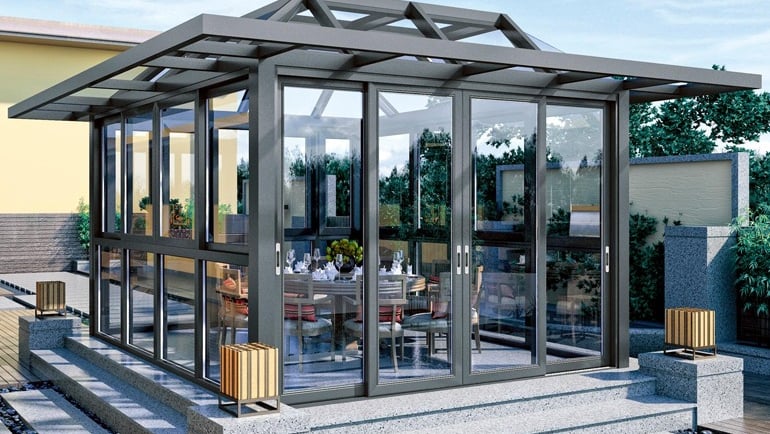
When users search for aluminum sliding windows, they usually have a clear purpose.
They are planning a home, apartment, or building project and want to know whether sliding aluminum windows are practical, durable, and suitable for their space and climate.
This guide explains how aluminum sliding windows work, their advantages, limitations, and how to choose the right system for residential and commercial use.
What Are Aluminum Sliding Windows?
Aluminum sliding windows are window systems where one or more panels slide horizontally along a track instead of opening inward or outward.
They are built with aluminum frames, glass panels, rollers, tracks, and sealing systems. Because aluminum is strong and lightweight, it allows sliding windows to support large glass panels while maintaining smooth operation.
Sliding aluminum windows are widely used in:
Apartments
Residential homes
Balconies
Commercial buildings
Why Aluminum Is Ideal for Sliding Window Systems
A common search question is: Why are most sliding windows made of aluminum?
Structural Strength for Large Panels
Sliding windows often use larger glass panels than casement windows. Aluminum provides the strength needed to:
Prevent frame deformation
Support heavy double or laminated glass
Maintain long-term smooth sliding performance
Other materials may struggle to deliver the same stability over time.
Slim Frames and Modern Design
Aluminum allows for narrow frame profiles, maximizing glass area and natural light. This makes aluminum sliding windows especially popular in modern architecture and minimalist designs.
Search terms like modern aluminum sliding windows reflect this design-driven demand.
Are Aluminum Sliding Windows Energy Efficient?
Energy efficiency is one of the most common concerns among buyers.
Thermal Break Aluminum Sliding Windows
Modern aluminum sliding windows often use thermal break profiles, which significantly improve insulation performance.
With proper configuration, aluminum sliding windows can achieve:
Reduced heat transfer
Improved indoor comfort
Better energy efficiency compared to traditional sliding windows
Users often search for:
energy efficient aluminum sliding windows
thermal break aluminum sliding windows
The Role of Glass and Sealing
Energy performance depends not only on the frame, but also on:
Double or triple glazing
Low-E glass
High-quality seals and brushes
A well-designed sliding system minimizes air leakage while maintaining smooth operation.
Aluminum Sliding Windows vs Casement Windows
This comparison is frequently searched by homeowners.
Advantages of Aluminum Sliding Windows
Do not require extra opening space
Ideal for balconies and compact areas
Suitable for large openings
Easy to operate
Limitations Compared to Casement Windows
Slightly lower airtightness
Limited opening area (usually 50%)
Sliding windows are often chosen when space efficiency and wide views are more important than maximum ventilation.
Aluminum Sliding Windows in Different Climates
Hot and Sunny Regions
In hot climates, aluminum sliding windows are often paired with:
Thermal break frames
Solar-control glass
Proper shading design
Search queries such as aluminum sliding windows for hot climate are common in these regions.
Coastal and Humid Areas
Aluminum sliding windows perform well in coastal environments when equipped with:
Corrosion-resistant surface treatments
Stainless steel or protected rollers
Effective drainage systems
These features help ensure long-term durability near the sea.
Tropical and Rainy Regions
In tropical climates, smooth drainage and water resistance are critical.
High-quality aluminum sliding windows are designed with:
Multi-track drainage
Water-resistant seals
Easy maintenance access
This makes them suitable for heavy rain and high humidity environments.
Common Types of Aluminum Sliding Windows
Understanding system variations helps buyers choose the right solution.
Two-Panel Sliding Windows
One fixed panel and one sliding panel, commonly used in apartments and homes.
Multi-Panel Sliding Windows
Multiple sliding panels for wider openings, often used in villas and commercial spaces.
Lift-and-Slide Aluminum Windows
Advanced systems where panels lift slightly before sliding, offering better sealing and smoother movement.
Search interest in lift and slide aluminum windows has grown significantly in recent years.
Durability and Lifespan of Aluminum Sliding Windows
A frequent buyer concern is long-term performance.
High-quality aluminum sliding windows can last 30 years or more, depending on:
Profile thickness
Roller quality
Surface treatment
Installation accuracy
Aluminum does not warp or rot, making it especially reliable for sliding systems.
Maintenance Requirements
Aluminum sliding windows are favored for their low maintenance.
Basic care includes:
Cleaning tracks and rollers
Checking seals periodically
Keeping drainage paths clear
With proper maintenance, sliding performance remains smooth over many years.
Are Aluminum Sliding Windows Suitable for Residential Homes?
Yes. Aluminum sliding windows are widely used in residential applications because they:
Save space
Provide wide views
Match modern interior and exterior designs
Search trends show rising interest in aluminum sliding windows for homes and aluminum sliding windows for apartments.
Key Factors to Consider Before Choosing Aluminum Sliding Windows
Before making a decision, buyers often look for guidance on selection criteria.
Important considerations include:
Thermal break or non-thermal profile
Glass thickness and type
Roller system quality
Track design and drainage
Climate suitability
Choosing the right system ensures comfort, durability, and smooth operation.
Get in Touch With Us
Partner with QTA Aluminium for wholesale and OEM door & window solutions. Contact us directly to discuss your project needs.
© 2025. All rights reserved.