
Aluminum Sliding Windows vs Casement Windows: Which One Is Right for Your Project?
Key Advantages of Aluminum Sliding Windows 1. Space-Saving Design Because sliding windows do not swing inward or outward, buyers often search: windows for small spaces Sliding aluminum windows are ideal where interior or exterior space is limited.
1/8/20263 min read


When buyers search for aluminum windows, one comparison appears again and again across global markets:
aluminum sliding windows vs casement windows
which is better: sliding or casement windows?
aluminum sliding window advantages and disadvantages
These searches signal a decision-making moment.
Buyers already accept aluminum as the material — now they need to choose the right opening style for their space, climate, and usage.
This article explains the real differences between aluminum sliding windows and aluminum casement windows, helping buyers choose based on practical needs, not marketing claims.
Why Opening Style Matters More Than Many Buyers Expect
The opening style of an aluminum window affects:
Ventilation performance
Space usage
Airtightness and insulation
Ease of operation
Long-term maintenance
That’s why experienced buyers rarely search just “aluminum windows”.
They search for specific window types once they understand their requirements.
What Are Aluminum Sliding Windows?
Basic Concept
Aluminum sliding windows operate by sliding one or more panels horizontally along a track.
They are widely searched as:
aluminum sliding windows
sliding aluminum windows for homes
Typical Applications
Sliding windows are commonly used in:
Apartments and high-rise buildings
Bedrooms and living rooms
Balconies and terraces
Commercial spaces with limited opening clearance
Their popularity is driven largely by space efficiency.
Key Advantages of Aluminum Sliding Windows
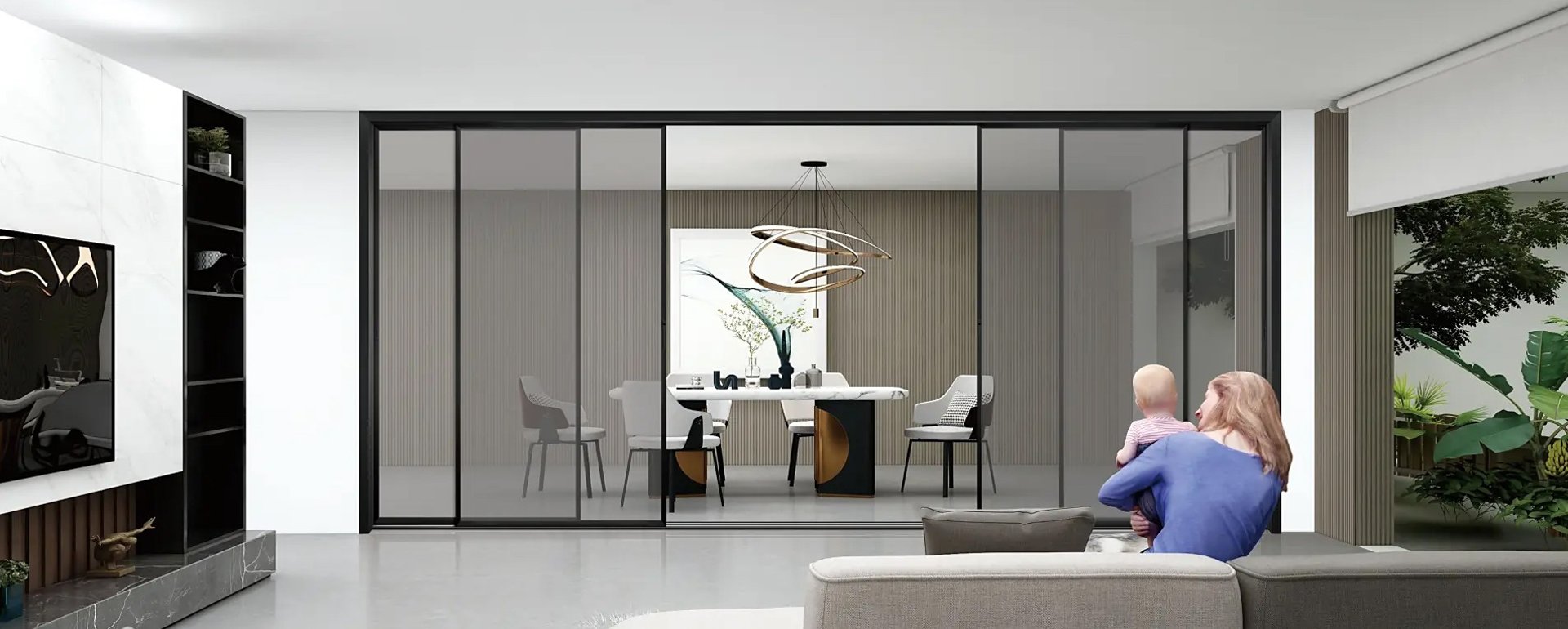
1. Space-Saving Design
Because sliding windows do not swing inward or outward, buyers often search:
windows for small spaces
Sliding aluminum windows are ideal where interior or exterior space is limited.
2. Clean, Modern Appearance
Minimalist architecture drives searches like:
modern aluminum sliding windows
Slim aluminum frames allow for:
Large glass panels
Wide views
Contemporary aesthetics
This makes sliding windows popular in modern residential and commercial designs.
3. Easy Operation for Large Openings
For wide window openings, sliding systems are often easier to operate than hinged windows, especially in high-rise buildings.
Limitations of Sliding Aluminum Windows
Buyers also search:
aluminum sliding windows disadvantages
The most common limitations include:
Partial opening only (usually 50%)
Slightly lower airtightness compared to casement windows
Track maintenance required over time
Understanding these limitations helps buyers decide realistically.
What Are Aluminum Casement Windows?
Basic Concept
Aluminum casement windows are hinged at the side and open inward or outward, similar to a door.
They are commonly searched as:
aluminum casement windows
casement aluminum windows for houses
Typical Applications
Casement windows are widely used in:
Residential houses and villas
Low- to mid-rise buildings
Projects prioritizing ventilation and insulation
They are often chosen where performance matters more than space-saving.
Key Advantages of Aluminum Casement Windows
1. Superior Ventilation
Buyers often search:
best windows for ventilation
Casement windows can open fully, allowing maximum airflow, especially useful in warm or humid climates.
2. Better Airtightness and Insulation
When closed, casement windows press tightly against the frame, which results in:
Better air sealing
Improved thermal insulation
Reduced noise penetration
This is why searches like “energy efficient aluminum windows” often lead buyers toward casement systems.
3. Easier Cleaning (Inward Opening Types)
Inward-opening casement windows are popular in Europe because they allow easy exterior glass cleaning from inside the building.
Limitations of Aluminum Casement Windows
Common buyer concerns include:
casement windows space requirements
Casement windows require clearance to open, which may be a limitation in:
Small rooms
Narrow balconies
Areas exposed to strong winds
Sliding vs Casement: A Side-by-Side Buyer Comparison
Ventilation Performance
Sliding windows: Moderate ventilation
Casement windows: Excellent ventilation
Buyers prioritizing airflow usually prefer casement windows.
Energy Efficiency
Sliding windows: Good with high-quality sealing
Casement windows: Typically better airtightness
This difference explains why casement windows are more common in energy-regulated markets.
Space Usage
Sliding windows: Excellent for tight spaces
Casement windows: Require opening clearance
This factor strongly influences apartment buyers.
Maintenance
Sliding windows: Track cleaning required
Casement windows: Hinge and hardware maintenance
Both systems are durable when properly designed.
Which Window Type Is Better for Different Regions?
Europe
Search intent favors:
tilt and turn aluminum windows
casement aluminum windows
Due to energy efficiency and ventilation needs, casement-style systems dominate.
Southeast Asia & Australia
Buyers often search:
aluminum sliding windows for homes
Sliding windows are popular due to space efficiency and modern design preferences.
Middle East
Large openings drive searches like:
aluminum sliding windows for villas
Sliding systems are frequently used for wide window spans and indoor-outdoor transitions.
Sliding or Casement for Residential Homes?
Homeowners often ask:
should I choose sliding or casement windows for my house?
General guidance:
Choose sliding windows for limited space and wide views
Choose casement windows for ventilation and insulation
Many modern homes use both types, depending on room function.
Sliding or Casement for Commercial Projects?
Commercial buyers search:
aluminum window systems for commercial buildings
Commercial projects often combine:
Sliding windows for façade consistency
Casement windows for controlled ventilation
System compatibility and performance standards matter more than style alone.
Common Buyer Mistakes When Choosing Window Types
Buyers later searching “window choice regret” often made these mistakes:
Choosing sliding windows where airtightness is critical
Choosing casement windows without enough opening space
Ignoring wind exposure and safety
Understanding usage scenarios prevents these issues.
How Smart Buyers Decide Between Sliding and Casement Windows
Professional buyers evaluate:
Room function
Climate conditions
Energy performance needs
Space limitations
They then select the appropriate aluminum window system, not just a window style.
Final Advice for Buyers
There is no universally “better” option between aluminum sliding and casement windows.
The better choice depends on:
How the space is used
What performance is expected
What limitations exist
Aluminum’s flexibility allows both systems to perform well — when chosen correctly.
Get in Touch With Us
Partner with QTA Aluminium for wholesale and OEM door & window solutions. Contact us directly to discuss your project needs.
© 2025. All rights reserved.