
Aluminum Windows Explained: Benefits, Performance, and Why They Are Used Worldwide
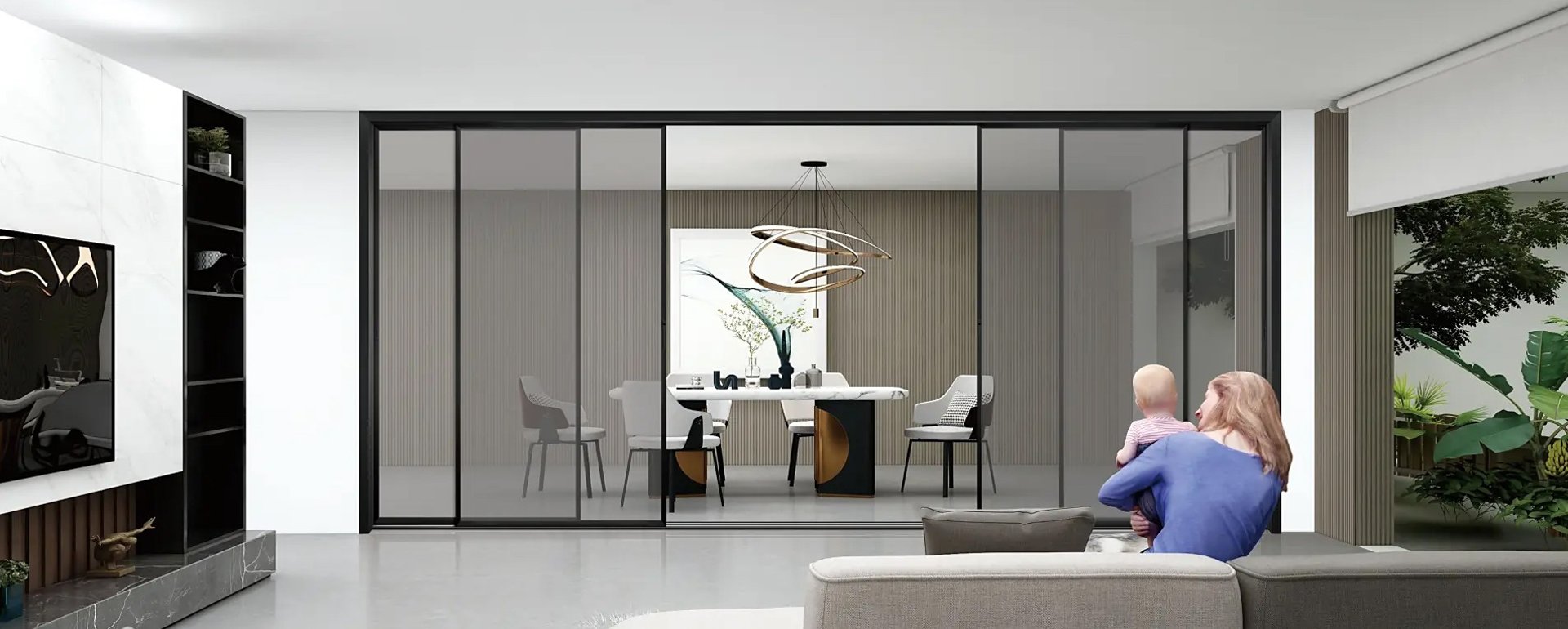
Unlike traditional wood or steel windows, aluminum frames allow for slimmer profiles, larger glass areas, and cleaner architectural lines. This makes aluminum windows especially popular in modern residential buildings, commercial projects, and large-scale developments. In today’s market, most high-performance aluminum windows incorporate thermal break technology, which significantly improves insulation and indoor comfort.
12/18/20253 min read
When users search for aluminum windows, they are rarely looking for a simple definition.
Most people want to understand whether aluminum windows are suitable for their specific needs, how they perform in real-world conditions, and whether they are worth the investment compared to other window materials.
This guide is written to answer those questions clearly and practically, helping homeowners, builders, architects, and project planners make informed decisions.
What Are Aluminum Windows?
Aluminum windows are window systems constructed using aluminum alloy frames combined with glass panels, sealing systems, and hardware components. Aluminum is widely used in modern construction due to its high strength-to-weight ratio, durability, and design flexibility.
Unlike traditional wood or steel windows, aluminum frames allow for slimmer profiles, larger glass areas, and cleaner architectural lines. This makes aluminum windows especially popular in modern residential buildings, commercial projects, and large-scale developments.
In today’s market, most high-performance aluminum windows incorporate thermal break technology, which significantly improves insulation and indoor comfort.
Why Aluminum Windows Are Used Across Different Countries and Regions
Aluminum windows are used worldwide, but the reasons vary depending on climate, building regulations, and lifestyle needs.
Strength and Structural Stability
Aluminum is naturally strong, allowing window frames to support large glass panels without bending or warping. This makes aluminum windows ideal for:
Floor-to-ceiling windows
Sliding doors
Wide openings and panoramic views
In regions where modern architecture favors large glass façades, aluminum windows are often the preferred choice.
Durability and Long Service Life
A common search question is: How long do aluminum windows last?
High-quality aluminum windows can last 30 to 40 years or more when properly manufactured and installed. Aluminum does not rot, swell, or suffer from insect damage, which makes it particularly suitable for humid, coastal, or high-temperature environments.
With appropriate surface treatments such as powder coating or anodizing, aluminum frames maintain their appearance and performance for decades.
Are Aluminum Windows Energy Efficient?
Energy efficiency is one of the most important concerns for modern buyers. This is why many users search for:
energy efficient aluminum windows
thermal break aluminum windows
aluminum windows insulation performance
Understanding Thermal Break Aluminum Windows
Standard aluminum conducts heat easily. To solve this, modern aluminum windows use a thermal break, which is an insulating material placed between the inner and outer aluminum sections of the frame.
This design:
Reduces heat transfer
Improves indoor temperature stability
Helps meet building energy codes
When combined with double or triple glazing, Low-E glass, and proper sealing, thermal break aluminum windows can achieve excellent thermal performance suitable for both hot and cold climates.
Aluminum Windows in Different Climate Conditions
Aluminum Windows for Hot Climates
In hot regions such as the Middle East, Africa, and parts of Southeast Asia, buyers often search for:
aluminum windows for hot climate
heat resistant aluminum windows
Thermal break profiles, solar-control glass, and airtight seals help reduce heat gain and improve indoor comfort, even in extreme temperatures.
Aluminum Windows for Coastal and Humid Areas
Coastal environments expose windows to salt air and moisture. This leads many users to search for:
corrosion resistant aluminum windows
aluminum windows for coastal homes
Aluminum performs well in these environments when treated with high-quality coatings that protect against corrosion and surface degradation.
Aluminum Windows for Cold Regions
In colder climates, insulation and airtightness are key concerns. Searches often include:
best aluminum windows for cold climate
aluminum windows thermal performance
Multi-chamber profiles, triple glazing, and professional installation ensure aluminum windows remain comfortable and energy efficient in winter conditions.
Aluminum Windows vs uPVC Windows
This is one of the most searched comparison topics globally.
Aluminum Windows
High strength and durability
Slim frames and modern appearance
Suitable for large openings
Longer lifespan
Higher initial investment
uPVC Windows
Lower upfront cost
Good insulation
Thicker frames
Limited structural strength
Shorter lifespan in extreme climates
For projects focused on design longevity, structural performance, and architectural flexibility, aluminum windows are often the better long-term solution.
Common Types of Aluminum Windows
Understanding window types helps buyers choose systems that match their needs.
Aluminum Sliding Windows
Sliding windows are popular for balconies and apartments due to their space-saving design and ease of operation.
Aluminum Casement Windows
Casement windows open outward or inward and provide better sealing, making them suitable for residential homes where insulation and airflow control are important.
Aluminum Tilt and Turn Windows
These systems offer flexible ventilation and high airtightness, commonly used in European-style residential buildings.
Aluminum Fixed Windows
Fixed windows maximize natural light and are often used in combination with operable windows for large façades.
Maintenance and Long-Term Cost Considerations
Another frequent search intent is related to maintenance.
Aluminum windows require minimal upkeep:
Occasional cleaning
Basic hardware inspection
Seal checks
There is no need for repainting or special treatments, which reduces long-term maintenance costs compared to wood windows.
Are Aluminum Windows Suitable for Residential Homes?
Yes. Modern aluminum window systems are widely used in:
Villas
Apartments
Townhouses
Energy-efficient homes
Search trends show increasing interest in modern aluminum windows for homes as homeowners seek durability, aesthetics, and long-term value.
Key Factors to Consider Before Choosing Aluminum Windows
Before purchasing, buyers often look for guidance on selection criteria.
Important factors include:
Thermal break design
Glass configuration
Profile thickness
Hardware quality
Climate suitability
Choosing the right configuration ensures optimal performance and long-term satisfaction.
Conclusion: Why Aluminum Windows Remain a Global Choice
Aluminum windows combine strength, durability, modern design, and adaptability across different climates and building types.
For homeowners and professionals seeking a long-lasting, versatile, and future-ready window solution, aluminum windows remain one of the most reliable options in modern construction.
Get in Touch With Us
Partner with QTA Aluminium for wholesale and OEM door & window solutions. Contact us directly to discuss your project needs.
© 2025. All rights reserved.