
Aluminum Windows vs PVC and Wood: How Global Buyers Decide What Really Fits Their Market
Why Buyers Worldwide Compare Aluminum Windows with Other Materials When global buyers search for aluminum windows, they are often not only looking for aluminum itself. In many cases, their real search intent is a comparison: aluminum vs PVC, aluminum vs wood, or which window material is best for my country or project.
1/20/20263 min read
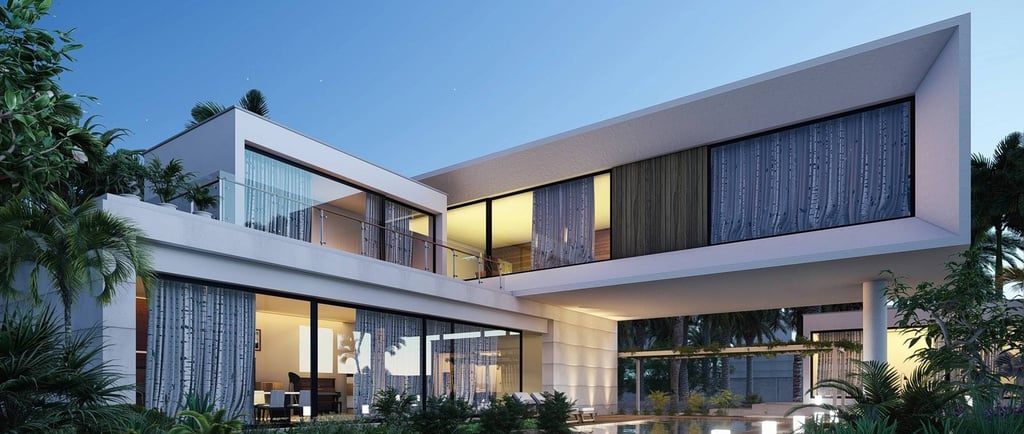

From an export-oriented manufacturing perspective, this comparison stage is one of the most critical moments in the buyer journey. Decisions made here directly affect long-term performance, maintenance costs, and regulatory compliance across different regions.
Understanding how aluminum windows compare with alternative materials helps buyers move from general research to confident specification.
Real Procurement Scenarios We Commonly Encounter
In international projects, we frequently see buyers initially leaning toward PVC or wooden windows due to lower upfront costs or aesthetic preferences. However, during later project stages, many return to aluminum after reassessing structural and environmental factors.
For example, in a mid-rise residential project targeting a coastal market, the buyer originally specified PVC windows. After reviewing wind load requirements and long-term exposure to humidity and salt air, they reconsidered aluminum systems for their superior dimensional stability and corrosion resistance.
This shift is common, especially when projects move from conceptual budgeting to real-world performance evaluation.
Structural Performance: Where Aluminum Windows Stand Out
From a material science and manufacturing standpoint, aluminum offers a level of structural strength that alternative materials struggle to match consistently.
Aluminum window systems allow for:
Larger glass panels with slimmer frames
Better resistance to deformation under wind pressure
Stable performance in high-temperature environments
In regions such as the Middle East, Australia, and parts of North America, buyers often prioritize aluminum specifically because it supports large openings and modern architectural designs without compromising safety.
PVC and wood may perform adequately in low-rise or temperate environments, but their structural limitations become more apparent as opening sizes increase.
Thermal Performance: A Common Source of Buyer Confusion
One of the most frequent questions buyers ask is whether aluminum windows can match the insulation performance of PVC or wood.
The answer depends entirely on system design, not material alone.
Modern aluminum windows with properly engineered thermal breaks and multi-glazing configurations can achieve competitive U-values in accordance with standards such as EN 14351-1 and ISO 10077. However, non-thermal aluminum systems remain unsuitable for residential applications in colder climates.
From a supplier perspective, this distinction is critical. Buyers who assume all aluminum windows perform the same often encounter condensation or energy efficiency issues later on.
Climate and Environment: Why Material Choice Is Market-Specific
Hot and High-UV Regions
In regions with intense sunlight and high temperatures, aluminum maintains dimensional stability far better than PVC. Wooden windows may require frequent maintenance to prevent warping or surface degradation.
Cold and Temperate Climates
In colder regions, PVC and wood naturally offer better insulation. Aluminum remains viable only when thermal break systems and appropriate glazing are used. Buyers targeting these markets should never compromise on insulation design.
Coastal and High-Humidity Areas
Aluminum windows with proper surface treatment, such as anodizing or high-quality powder coating, often outperform wood in terms of durability. PVC may suffer from discoloration or long-term brittleness under UV exposure.
Maintenance and Lifecycle Costs: Looking Beyond Initial Price
Many procurement decisions focus heavily on initial purchase price. However, from a lifecycle cost perspective, aluminum windows often provide better long-term value.
While PVC and wood may offer lower upfront costs, aluminum systems typically require:
Less frequent maintenance
Fewer repairs due to deformation
Longer service life under demanding conditions
For commercial projects, hotels, and multi-unit residential buildings, these factors play a significant role in total cost of ownership.
Manufacturing Perspective: How Buyers Can Avoid the Wrong Comparison
One mistake buyers frequently make is comparing low-end aluminum systems with high-end PVC or wooden windows, or vice versa. This creates unrealistic expectations and misleading conclusions.
From a manufacturing and export standpoint, fair comparison should always consider:
Compliance with local standards
Intended building type
Environmental exposure
Expected service life
When these variables are aligned, material selection becomes clearer and more rational.
Choosing the Right Window Material with Confidence
There is no universal “best” window material. Aluminum windows excel in projects where structural strength, design flexibility, and long-term stability are priorities. PVC and wood remain suitable options in specific climates and architectural contexts.
For global buyers, the key is not choosing what is cheapest or most popular, but what is technically appropriate for the target market and building use.
By understanding the real-world differences between aluminum, PVC, and wood, buyers can make informed decisions that balance performance, compliance, and long-term value.
Get in Touch With Us
Partner with QTA Aluminium for wholesale and OEM door & window solutions. Contact us directly to discuss your project needs.
© 2025. All rights reserved.