
Aluminum Windows vs uPVC vs Wooden Windows: How Global Buyers Choose the Right Material
Whether the buyer is a homeowner in Australia, a contractor in the Middle East, or a developer in Europe, the core questions are universal. Aluminum windows often enter the conversation because they sit at the intersection of performance, aesthetics, and longevity.
12/29/20253 min read
When international buyers search for windows online, they are rarely looking for “just a window.”
They are searching for answers, comparisons, and confidence before making a decision that affects energy efficiency, safety, aesthetics, and long-term costs.
Search queries like:
Aluminum windows vs uPVC
Are aluminum windows better than wood?
Best window material for hot climates
Low maintenance windows for coastal areas
show a clear comparison-driven intent.
In this article, we focus on helping global customers understand how aluminum windows compare to uPVC and wooden windows, and why aluminum has become the preferred choice in many regions worldwide.
Why Buyers Compare Window Materials Before Buying
Across different countries and climates, buyers face similar concerns:
Durability in local weather conditions
Energy efficiency and insulation performance
Long-term maintenance costs
Design flexibility and modern appearance
Environmental impact and sustainability
Whether the buyer is a homeowner in Australia, a contractor in the Middle East, or a developer in Europe, the core questions are universal.
Aluminum windows often enter the conversation because they sit at the intersection of performance, aesthetics, and longevity.
Aluminum Windows: A Global Standard for Modern Construction
Strength and Structural Stability
One of the most searched advantages of aluminum windows is strength.
Compared to uPVC and wood, aluminum offers:
High structural integrity
Slim frame profiles with larger glass areas
Resistance to warping, cracking, or swelling
This makes aluminum windows ideal for:
High-rise buildings
Large sliding doors
Floor-to-ceiling window systems
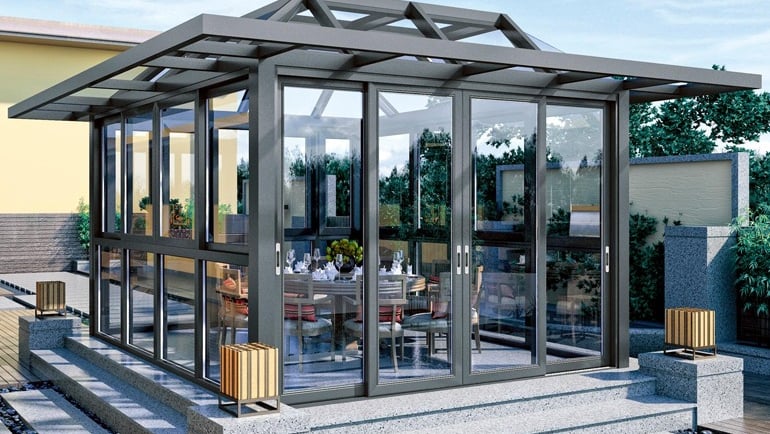
In markets like Europe, the Middle East, and Southeast Asia, architects and developers frequently search for “slim frame aluminum windows” because aluminum supports modern architectural trends without compromising safety.
Aluminum Windows vs uPVC Windows
Durability and Climate Adaptability
uPVC windows are popular in some regions due to cost efficiency, but buyers often search:
Do uPVC windows crack in hot weather?
Are aluminum windows better for extreme climates?
Aluminum windows perform consistently across:
High heat (Middle East, Africa, Australia)
High humidity (Southeast Asia, coastal regions)
Cold climates when paired with thermal break technology
Unlike uPVC, aluminum does not become brittle over time or deform under prolonged UV exposure.
Design and Customization
Another frequent search query is:
Modern window frames for contemporary homes
Aluminum windows stand out because they offer:
Custom colors and powder-coated finishes
Anodized and textured surfaces
Minimalist profiles suitable for luxury and commercial projects
uPVC options are often limited in color and appearance, which is why aluminum windows dominate premium residential and commercial markets.
Aluminum Windows vs Wooden Windows
Maintenance and Longevity
Wooden windows are often associated with traditional beauty, but global buyers increasingly search:
Low maintenance window materials
Windows that don’t rot or need repainting
Aluminum windows require:
No repainting
No termite treatment
No protection against moisture damage
In humid regions like South America and Southeast Asia, aluminum windows outperform wood due to their resistance to rot and mold.
Environmental Considerations
A growing number of searches focus on sustainability:
Are aluminum windows eco-friendly?
Recyclable window materials
Aluminum is:
100% recyclable
Reusable without loss of quality
Widely accepted in green building standards
While wood is renewable, its long-term maintenance and chemical treatments often reduce its environmental advantage.
Energy Efficiency: A Common Buyer Concern Worldwide
Many buyers assume aluminum is less energy efficient.
This leads to searches such as:
Are aluminum windows energy efficient?
Thermal break aluminum windows explained
Modern aluminum windows now incorporate:
Thermal break technology
Multi-chamber designs
High-performance glazing systems
In Europe and North America, thermal break aluminum windows are a top search term because they meet strict energy efficiency standards while maintaining aluminum’s structural benefits.
Aluminum Windows in Different Regional Markets
Europe
European buyers focus on:
Energy efficiency
Sustainability
Minimalist design
Search intent often includes “CE certified aluminum windows” and “energy rated aluminum window systems.”
Middle East
Search trends highlight:
Heat resistance
Sand and corrosion protection
Large opening systems
Aluminum windows are preferred due to their performance under extreme temperatures.
Southeast Asia & Australia
High humidity and coastal exposure drive searches like:
Best windows for coastal homes
Corrosion-resistant window frames
Aluminum windows with marine-grade finishes dominate these markets.
Cost Consideration: Short-Term vs Long-Term Value
A common misconception appears in searches such as:
Are aluminum windows expensive?
While aluminum windows may have a higher initial cost than uPVC, buyers increasingly understand the long-term value:
Lower maintenance costs
Longer service life
Higher property value
This shift in mindset is visible across both residential and commercial buyer searches.
Why Aluminum Windows Continue to Gain Global Preference
From a buyer’s perspective, aluminum windows solve multiple problems at once:
They adapt to diverse climates
They support modern architectural designs
They reduce long-term ownership costs
They align with sustainability goals
This is why searches related to aluminum windows continue to grow across continents.
Get in Touch With Us
Partner with QTA Aluminium for wholesale and OEM door & window solutions. Contact us directly to discuss your project needs.
© 2025. All rights reserved.