
Aluminum Windows vs uPVC Windows: Which Is the Better Choice for Your Home or Project?
uPVC (unplasticized polyvinyl chloride) windows are made from rigid plastic profiles reinforced with steel. They are commonly used in residential housing, particularly in cost-sensitive markets. uPVC windows are known for their good insulation properties and affordable price, but they also have limitations in strength, size, and long-term durability under extreme conditions.
12/19/20253 min read
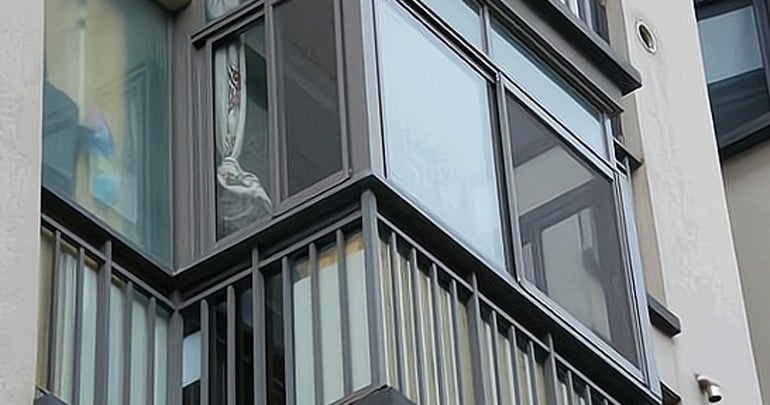
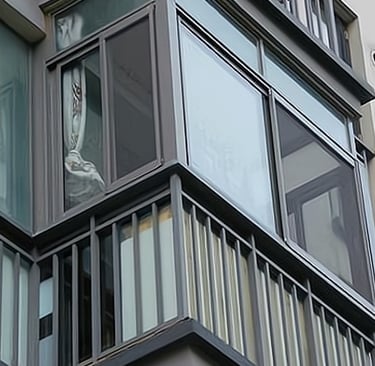
When people search for aluminum windows vs uPVC windows, they are no longer just browsing.
They are actively comparing options, weighing costs, performance, and long-term value before making a decision.
This guide provides a clear, real-world comparison between aluminum windows and uPVC windows, helping homeowners, developers, and builders choose the right solution based on climate, usage, budget, and performance expectations.
Understanding the Two Window Materials
Before comparing performance, it is important to understand what each material is designed for.
What Are Aluminum Windows?
Aluminum windows are made from aluminum alloy frames, typically combined with thermal break insulation, double or triple glazing, and advanced sealing systems. Aluminum is known for its high strength, durability, and modern appearance, making it suitable for both residential and commercial buildings.
Modern aluminum windows are often designed as system windows, where all components work together to deliver consistent performance.
What Are uPVC Windows?
uPVC (unplasticized polyvinyl chloride) windows are made from rigid plastic profiles reinforced with steel. They are commonly used in residential housing, particularly in cost-sensitive markets.
uPVC windows are known for their good insulation properties and affordable price, but they also have limitations in strength, size, and long-term durability under extreme conditions.
Structural Strength and Design Flexibility
Aluminum Windows: Built for Large Openings
One of the most searched reasons for choosing aluminum windows is structural strength.
Aluminum allows for:
Slimmer frames
Larger glass panels
Floor-to-ceiling windows
Wide sliding doors
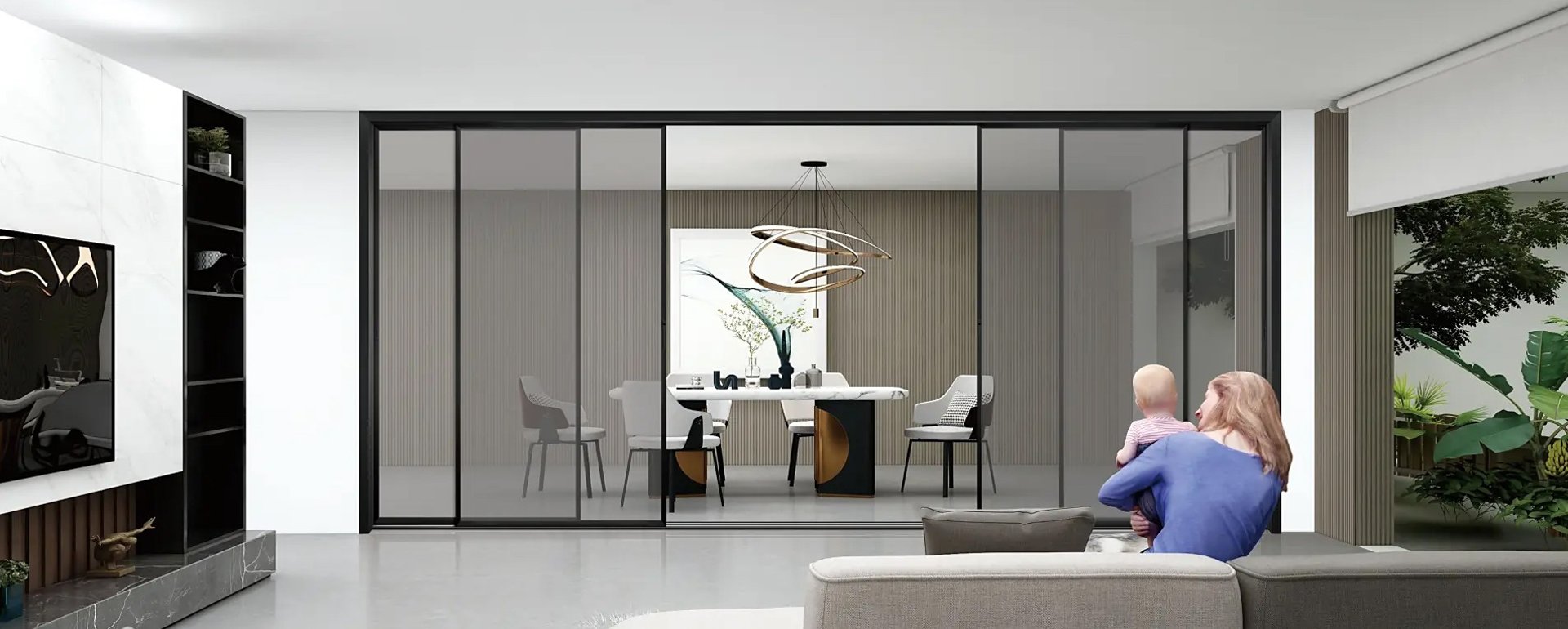
This makes aluminum windows ideal for modern architecture, villas, and buildings that emphasize natural light and open views.
uPVC Windows: Limited by Material Strength
uPVC profiles are thicker to compensate for lower material strength. As window sizes increase, steel reinforcement becomes necessary, which limits design flexibility.
For small to medium window sizes, uPVC performs adequately. However, for large openings, uPVC often falls short in terms of rigidity and long-term stability.
Energy Efficiency and Thermal Performance
Energy efficiency is one of the most important decision factors worldwide.
Thermal Performance of Aluminum Windows
Many users search for:
energy efficient aluminum windows
thermal break aluminum windows
Modern aluminum windows use thermal break technology, which significantly reduces heat transfer. When combined with Low-E glass and proper sealing, aluminum windows can meet strict energy efficiency standards in both hot and cold climates.
Thermal Performance of uPVC Windows
uPVC naturally has lower thermal conductivity, which gives it good insulation performance without additional thermal breaks. This makes uPVC windows attractive for budget-conscious projects focused on energy savings.
However, insulation performance alone does not determine overall window quality. Airtightness, glass configuration, and installation quality play equally important roles.
Performance in Different Climate Conditions
Hot and Sunny Climates
In hot regions, users often search:
aluminum windows for hot climate
uPVC windows heat resistance
High-quality aluminum windows with thermal breaks and solar-control glass perform very well in hot climates. Aluminum does not deform under high temperatures.
uPVC windows may expand or discolor over time in extreme heat, especially in regions with strong sun exposure.
Coastal and Humid Areas
Coastal environments introduce moisture and salt exposure.
Aluminum windows with proper surface treatment offer excellent corrosion resistance. This is why many users search for corrosion resistant aluminum windows.
uPVC does not corrode, but metal reinforcements inside the profile may be affected if moisture penetrates over time.
Cold Climates
In colder regions, insulation and airtightness are key concerns.
Both aluminum windows (with thermal breaks) and uPVC windows can perform well in cold climates. However, aluminum systems often provide better long-term sealing and mechanical stability.
Durability and Lifespan Comparison
Lifespan of Aluminum Windows
A common search question is: How long do aluminum windows last?
High-quality aluminum windows typically last 30 to 40 years or more, with minimal performance degradation. Aluminum does not rot, crack, or attract pests.
Lifespan of uPVC Windows
uPVC windows generally have a lifespan of 20 to 25 years, depending on climate and quality. Over time, uPVC can become brittle, discolored, or lose structural integrity, especially in extreme weather conditions.
Maintenance and Long-Term Costs
Maintenance Requirements
Aluminum windows require minimal maintenance:
Simple cleaning
Occasional hardware checks
Seal inspection
uPVC windows also require low maintenance, but discoloration and aging may occur over time, particularly in sunny climates.
Long-Term Cost Considerations
While uPVC windows have a lower upfront cost, aluminum windows often offer better long-term value due to:
Longer lifespan
Higher durability
Better resale value
Fewer replacements over time
This is why many developers and homeowners consider aluminum windows a long-term investment.
Aesthetic Appeal and Architectural Style
Aluminum Windows: Modern and Minimalist
Aluminum windows are frequently chosen for:
Modern homes
Luxury villas
Commercial buildings
Slim frames and customizable finishes allow aluminum windows to match contemporary architectural trends.
uPVC Windows: Functional but Limited Design
uPVC windows are primarily designed for functionality rather than aesthetics. Thicker frames and limited color options make them less suitable for high-end architectural designs.
Get in Touch With Us
Partner with QTA Aluminium for wholesale and OEM door & window solutions. Contact us directly to discuss your project needs.
© 2025. All rights reserved.