
Balancing Performance and Aesthetics: How Aluminum Windows Enhance Modern Architectural Art
Aluminum windows are no longer just functional building components. In modern architecture, they play a critical role in shaping visual identity, spatial experience, and artistic expression. This article explores how aluminum window systems balance structural performance, energy efficiency, and architectural aesthetics across residential, commercial, and high-end design projects. It also explains how professional design and manufacturing capabilities enable this balance, helping global buyers select the right solutions for both performance and visual impact.
3/27/20263 min read
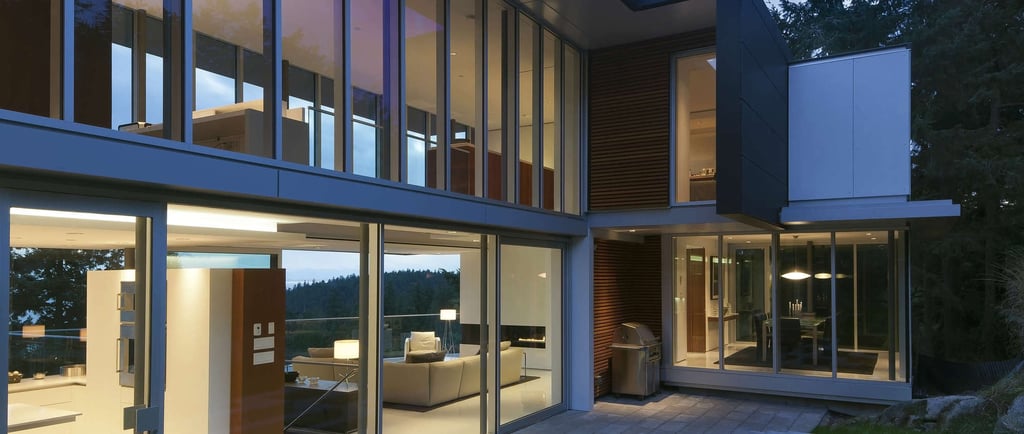
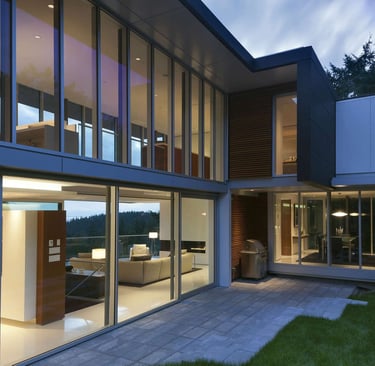
Introduction: When Windows Become Part of Architectural Art
In today’s architecture, windows are no longer just openings for light and ventilation. They are design elements that influence how a building looks, feels, and interacts with its surroundings.
For architects and developers, the challenge is clear:
How can a window system deliver high performance while maintaining strong visual and artistic appeal?
This is where aluminum windows stand out.
With their structural strength, flexibility, and modern appearance, aluminum window systems have become one of the most widely used solutions in contemporary architectural design. But achieving the perfect balance between function and aesthetics requires more than material selection—it depends on design, engineering, and manufacturing expertise.
The Evolution of Aluminum Windows in Architectural Design
In the past, windows were primarily judged by durability and cost. Today, the expectations are significantly higher.
Modern buildings demand:
Clean and minimal visual lines
Large glass surfaces for natural light
Seamless indoor-outdoor transitions
High energy efficiency
Adaptability to different climates and building types
Aluminum, as a material, naturally supports these demands.
Unlike traditional materials such as wood or PVC, aluminum allows for slimmer frames and larger openings, which significantly enhances the visual impact of a building.
This is why aluminum windows are widely used in:
High-end residential villas
Commercial office buildings
Hotels and resorts
Urban apartment complexes
Structural Performance: The Foundation of Design Freedom
Aesthetic design is only possible when supported by strong structural performance.
Aluminum windows offer:
High strength-to-weight ratio
Excellent resistance to deformation
Long-term durability in various environments
This allows architects to design:
Floor-to-ceiling windows
Panoramic glass walls
Narrow frame systems
Without compromising safety or stability.
For example, in high-rise buildings, windows must withstand strong wind loads. Aluminum frames provide the necessary support while still maintaining a clean, modern appearance.
This combination of strength and flexibility is what enables artistic architectural expression.
Minimalism and Visual Impact: The Artistic Advantage of Aluminum
One of the most important design trends in modern architecture is minimalism.
Aluminum windows contribute to this by offering:
Slim profiles
Hidden frames
Large glass panels
These features reduce visual interruption and allow natural light to dominate the space.
From an artistic perspective, this creates:
A sense of openness
Strong connection between interior and exterior
Enhanced spatial perception
In luxury residential projects, this often translates into panoramic views and seamless living spaces.
In commercial buildings, it supports a clean and professional visual identity.
Thermal Performance and Energy Efficiency: Invisible but Essential
While aesthetics are important, performance remains critical—especially in global markets.
Modern aluminum windows, particularly thermal break systems, address energy efficiency challenges.
Thermal break technology helps:
Reduce heat transfer
Improve insulation performance
Enhance indoor comfort
This is especially important in:
Cold climates (heat retention)
Hot regions (reducing cooling costs)
For architects, this means they can design visually appealing buildings without sacrificing environmental performance.
For B2B buyers, it ensures compliance with building standards and long-term cost savings.
Customization: Bridging Artistic Vision and Real-World Application
Every architectural project is unique.
This is why customization plays a key role in balancing art and functionality.
Professional aluminum window manufacturers offer:
Custom frame dimensions
Multiple opening types (sliding, casement, folding)
Surface finishes (powder coating, anodizing, wood grain)
Glass configuration options
These customization capabilities allow designers to bring their creative ideas to life while meeting practical requirements.
For example:
A resort project may require large sliding doors for ocean views
A commercial building may need curtain wall systems for a modern facade
A residential project may focus on comfort and insulation
Customization ensures that each project achieves both visual and functional goals.
Surface Finishes and Color Design: Enhancing Artistic Expression
Beyond structure, the surface treatment of aluminum windows also plays a major role in aesthetics.
Common finishes include:
Matte black for modern minimalism
Metallic finishes for industrial style
Wood grain textures for natural warmth
These options allow aluminum windows to adapt to different architectural styles.
For designers, this flexibility makes aluminum an ideal material for creative expression.
For buyers, it means they can match window systems with overall building design without compromise.
Integration with Modern Architectural Trends
Aluminum windows align closely with current architectural trends, such as:
1. Open Space Design
Large windows support open layouts and natural lighting.
2. Indoor-Outdoor Living
Sliding and folding systems create seamless transitions.
3. Sustainable Architecture
Energy-efficient designs reduce environmental impact.
4. Smart Buildings
Aluminum systems can integrate with automation and smart control systems.
These trends show that aluminum windows are not just functional components—they are part of a broader design philosophy.
Manufacturing Expertise: Turning Design into Reality
Design concepts only become reality through manufacturing.
A reliable aluminum window manufacturer ensures:
Precision in profile production
Consistent quality control
Accurate assembly processes
Compatibility with large-scale projects
This is especially important for B2B buyers managing complex projects.
Without strong manufacturing capabilities, even the best designs cannot achieve the desired results.
Real-World Applications: Where Art Meets Function
Residential Projects
Homeowners value aesthetics and comfort. Aluminum windows provide both, with clean design and energy efficiency.
Commercial Buildings
Offices and retail spaces benefit from modern appearance and durability.
Hospitality Industry
Hotels use large glass systems to create visual impact and enhance guest experience.
Urban Developments
Apartment buildings require cost-effective solutions without sacrificing design quality.
These examples demonstrate how aluminum windows successfully balance artistic expression and practical performance.
As architecture continues to evolve, the role of aluminum windows will become even more significant.
They are no longer just structural elements—they are tools for design, expression, and innovation.
For architects, they provide creative freedom.
For developers, they offer performance and efficiency.
For buyers, they represent long-term value and reliability.
Ultimately, the true strength of aluminum windows lies in their ability to bridge the gap between art and engineering.
Get in Touch With Us
Partner with QTA Aluminium for wholesale and OEM door & window solutions. Contact us directly to discuss your project needs.
© 2025. All rights reserved.