
Exploring Interface Science and Composite Materials in Decorative Aluminum Products
As these trends unfold, the decorative aluminum industry will likely see a redefinition of product standards, target demographics, and aesthetic choices. The effective blending of innovative composite materials with cutting-edge interface science will not only enhance the visual attributes of aluminum designs but also contribute significantly to their structural integrity and environmental suitability.
11/28/20255 min read


The Limitations of Single Materials in Decorative Applications
In the realm of decorative aluminum products, reliance on single materials often presents several inherent limitations. One of the primary constraints is the restricted design possibilities that single materials impose. While aluminum itself offers numerous advantages such as lightweight characteristics and resistance to corrosion, it lacks the versatility found in composite materials. Designers are often unable to achieve intricate aesthetics or specific functionality that other materials can provide, thereby hindering innovation and creativity in product development.
Moreover, the durability of decorative aluminum products can be compromised when relying solely on a single material. Although aluminum boasts a good strength-to-weight ratio, singular use may lead to susceptibility to environmental factors, including extreme weather conditions and physical wear. This can result in fading, scratching, or even structural failure over time, ultimately diminishing the longevity and economic viability of the products. In contrast, composite materials can integrate the strengths of aluminum with other elements, enhancing durability and protection against adverse conditions.
Aesthetic appeal is another domain where single materials fall short. The visual aspect of decorative products is critical for consumer attraction. Single aluminum products may exhibit a uniform look that lacks the textural richness and variety offered by composite constructions. By using composites, designers can achieve unique surface finishes, colors, and patterns that cater to diverse consumer preferences, providing an edge in the competitive decorative market.
Thus, while aluminum alone offers many benefits as a decorative material, its limitations become evident when considering design flexibility, durability, and aesthetic diversity. These challenges underline the growing trend toward incorporating composite materials in the production of decorative aluminum items, paving the way for enhanced performance and creative expression.
Innovative Composite Technologies in Aluminum Products
As the demand for advanced materials continues to rise, various innovative composite technologies are being employed in the production of decorative aluminum products. One notable example is aluminum-wood composites, which effectively combine the lightweight characteristics of aluminum with the aesthetic appeal of wood. To achieve a durable bond between these two materials, adhesive bonding plays a vital role. Surface pretreatment methods such as sanding, priming, and cleaning are essential to resolve potential bonding challenges, ensuring a strong and long-lasting connection.
Another innovative composite technology involves the combination of aluminum and stone materials. In this application, honeycomb aluminum panels are paired with ultra-thin stone surfaces, producing a lightweight yet sturdy structure. This approach not only enhances the visual appeal but also provides exceptional durability and resistance to weathering. The honeycomb structure minimizes the overall weight while maintaining structural integrity, which is advantageous for various architectural and design applications.
Aluminum-fabric and aluminum-leather composites also showcase innovative technology in decorative products. Through processes like hot pressing of adhesive films, manufacturers can effectively bond aluminum to textiles or leather, creating unique textures and patterns. This technique allows for versatility in design, making it feasible to produce custom aesthetics tailored to consumer preferences in furniture, automotive interiors, and fashion accessories.
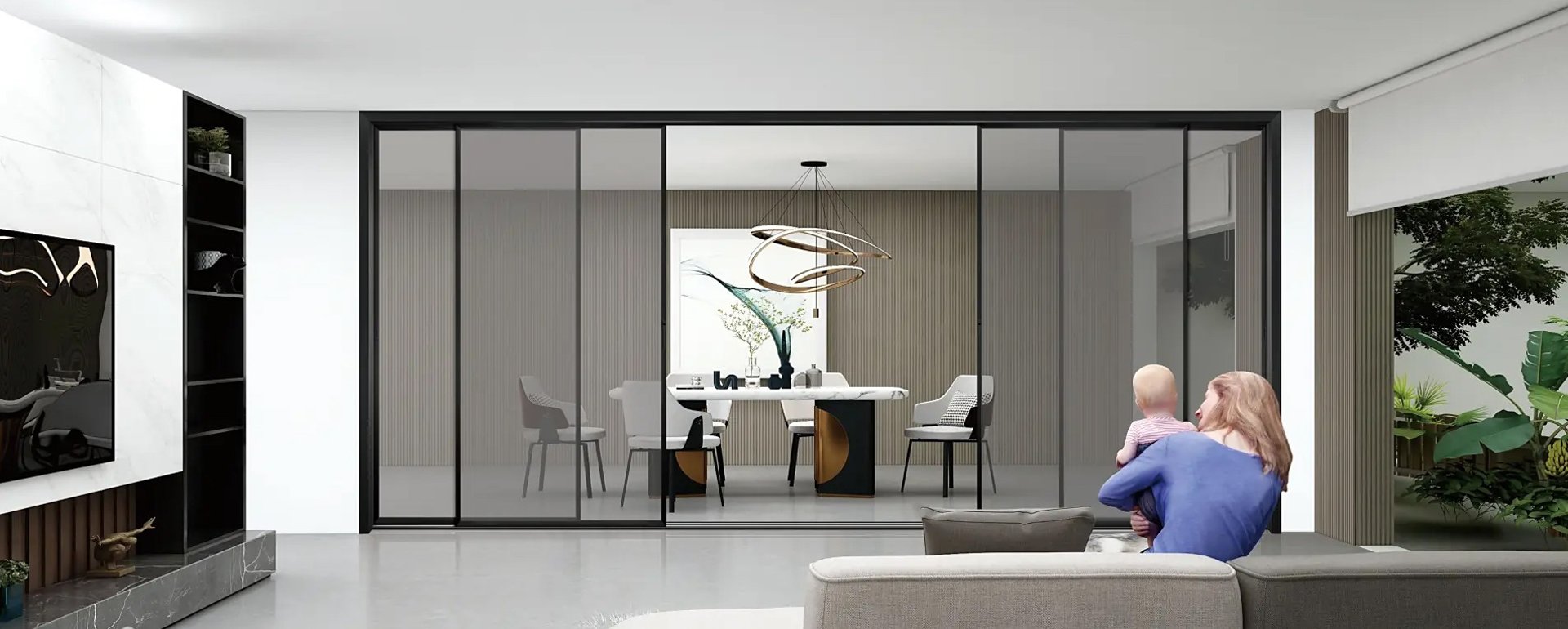
Lastly, aluminum-glass composites are transforming the landscape of interior and exterior applications. By utilizing structural adhesives and full glass systems, manufacturers achieve seamless integration between these two materials, offering enhanced strength and aesthetic appeal. This technology is particularly relevant in architectural designs where large glass panels are coupled with aluminum frames, providing both functionality and sophistication. The real-world applications of these innovative composites highlight their practical advantages, appealing to industries that prioritize both performance and design.
Enhancing Design and Performance through Composite Materials
Composite materials have revolutionized the decorative aluminum products industry, bringing a diverse range of enhancements that elevate design aesthetics while ensuring structural integrity. By integrating various materials—such as polymers, wood fibers, or glass fibers—into aluminum, designers are able to achieve remarkable advancements in both looks and performance. These composites not only contribute to the visual appeal of products but also enhance their durability and functionality, making them an attractive option for various applications.
One of the primary advantages of utilizing composite materials in aluminum products is the improved tactile experience they offer. For instance, the combination of aluminum with textured polymers can provide a unique touch, enhancing user interaction. This consideration for tactile feedback is essential in product design, as it enriches user experience and creates a deeper emotional connection with the item. Additionally, composites can be engineered to mimic the appearance of more expensive materials while retaining a lightweight profile, thus making them economically viable for manufacturers.
Case studies in the industry highlight successful implementations of composite materials in decorative aluminum items. A notable example is the use of aluminum and polymer composites in the creation of outdoor furniture, where aesthetics meet functionality. These products not only exhibit a modern look but also resist weathering and maintain their structural integrity over time. Another example is in architectural applications, where composite panels provide both thermal insulation and an appealing facade, showcasing the multifunctional nature of these materials.
In crafting user-friendly products, designers are leveraging the strengths of composite materials to push boundaries in design. By combining traditional aluminum with innovative composites, they are creating unique items that reflect contemporary trends while never compromising on quality. This synthesis of design and technology has not only facilitated the production of visually stunning products but has also ensured they stand the test of time.
Future Trends and Applications of Composite Materials in Aluminum Design
The advancement of interface science and composite materials is poised to significantly shape the design and functionality of decorative aluminum products in the coming years. One of the most notable trends is the increasing integration of smart materials. These materials can respond to environmental stimuli, such as light, heat, or moisture, thereby enhancing the aesthetic appeal and functional versatility of aluminum products. For instance, color-changing coatings can be developed through innovative composite formulations, allowing aluminum surfaces to adapt dynamically to their surroundings, which may cater to evolving consumer preferences for interactive design.
Furthermore, the potential for increased sustainability in the manufacturing of decorative aluminum products is being recognized specifically through the use of bio-based composites. Renewable raw materials are being explored to replace traditional petroleum-based substances, thereby reducing the carbon footprint associated with production. This trend aligns with a broader market commitment to sustainability, pushing manufacturers to adopt more eco-friendly practices without compromising on durability or performance. Emerging technologies in waste recycling and material repurposing promise to supplement sustainable design practices, making it advantageous for companies seeking to appeal to environmentally conscious consumers.
Interface science plays a critical role in optimizing the bonding and performance of composite materials used in aluminum applications. Innovations in nanotechnology may lead to improved adhesion properties, enhancing the longevity and stability of decorative elements. Research into the atomic-level interactions within these materials promises to unlock new functionalities, such as enhanced resistance to wear and corrosion, thus expanding the market potential for aluminum products in demanding applications.
As these trends unfold, the decorative aluminum industry will likely see a redefinition of product standards, target demographics, and aesthetic choices. The effective blending of innovative composite materials with cutting-edge interface science will not only enhance the visual attributes of aluminum designs but also contribute significantly to their structural integrity and environmental suitability.
Get in Touch With Us
Partner with QTA Aluminium for wholesale and OEM door & window solutions. Contact us directly to discuss your project needs.
© 2025. All rights reserved.