
Factory Quality Control for Aluminum Windows: What Really Matters
When buyers evaluate aluminum windows, the conversation often starts with design, finishes, and price. But experienced distributors, contractors, and project managers know the truth: factory quality control is what ultimately determines performance, durability, and long-term value.
2/2/20263 min read
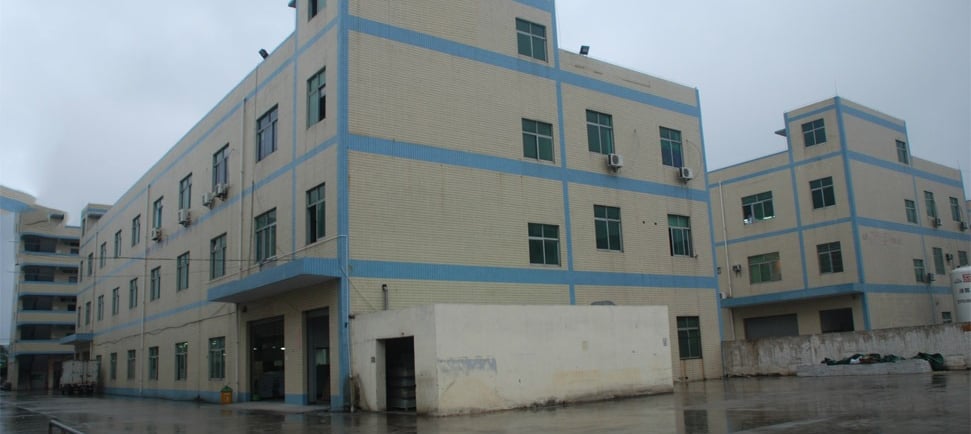
From raw material inspection to final packaging, a reliable aluminum window factory follows a disciplined quality control system. In this article, we break down what really matters in factory quality control for aluminum windows, and what global buyers should pay attention to when selecting a manufacturing partner.
Why Factory Quality Control Is Critical for Aluminum Windows
Aluminum windows are not decorative products alone—they are structural, functional, and safety-related components of a building. Poor quality control can lead to:
Air and water leakage
Weak wind resistance
Poor thermal insulation
Premature corrosion or surface failure
Installation issues and after-sales complaints
Once windows are installed, replacing or repairing them is expensive and disruptive. That’s why quality must be built in at the factory level, not fixed later on site.
Raw Material Control: The First Quality Gate
Aluminum Profiles: Alloy and Wall Thickness
Quality control starts before production begins.
Key factors include:
Aluminum alloy grade (commonly 6063-T5 or T6)
Wall thickness consistency (critical for strength and compliance)
Straightness and dimensional accuracy
A serious factory verifies:
Chemical composition reports from suppliers
Mechanical strength test data
Random incoming material inspections
Low-grade aluminum or inconsistent thickness will compromise structural stability and service life, no matter how good the design looks.
Precision Extrusion and Cutting Control
Dimensional Accuracy Matters
During extrusion and cutting:
Profile dimensions must meet strict tolerances
Cut angles must be precise (especially for casement and tilt-turn windows)
Burrs and deformation must be controlled
Factories with strong QC use:
CNC cutting equipment
Digital measuring tools
First-article inspection before mass production
Even a 1–2 mm deviation can cause assembly gaps, poor sealing, or installation headaches on site.
Surface Treatment Quality Control
Powder Coating, Anodizing, and Finish Durability
Surface treatment is not just about appearance—it directly affects corrosion resistance and lifespan.
Critical QC checkpoints include:
Coating thickness measurement
Adhesion testing
Color consistency across batches
Salt spray resistance testing
A reliable aluminum window factory:
Uses certified powder brands
Controls curing temperature and time
Keeps batch traceability records
Poor surface control leads to peeling, fading, or oxidation—common complaints in coastal or high-humidity markets.
Hardware Selection and Compatibility Testing
Windows Are Only as Good as Their Hardware
Locks, hinges, rollers, and handles play a major role in:
Smooth operation
Load-bearing capacity
Security performance
Quality-focused factories:
Use tested hardware systems (not mixed or unverified parts)
Conduct cycle testing for opening/closing durability
Match hardware specifications to window size and weight
Inadequate hardware QC often results in sagging sashes, difficult operation, or early failure—especially in large-format aluminum windows.
Assembly Process Control: Where Details Matter Most
Sealing, Alignment, and Structural Integrity
Assembly is where many factories fail—or excel.
Key quality control points include:
Accurate frame and sash alignment
Proper gasket installation
Consistent sealant application
Correct glass setting blocks placement
High-level factories implement:
Assembly SOPs (Standard Operating Procedures)
In-process inspections at each workstation
Training programs for skilled workers
This stage directly impacts air tightness, water resistance, and noise insulation.
Glass Quality and Installation Inspection
Double, Triple, and Tempered Glass Control
Glass accounts for a large portion of window performance.
Quality control should verify:
Glass thickness and configuration
Tempering certification
Spacer and desiccant quality
Edge sealing integrity
Before final assembly, reputable factories:
Inspect glass for scratches, bubbles, and distortion
Check IGU (Insulated Glass Unit) sealing performance
Match glass specs to energy-efficiency requirements
Poor glass control leads to fogging, thermal loss, and safety risks.
Performance Testing: Proof Beyond Claims
What Tests Really Matter?
Serious aluminum window manufacturers conduct or support:
Air tightness testing
Water penetration resistance
Wind load resistance
Thermal insulation (U-value) testing
Sound insulation testing
Whether tested in-house or through third-party labs, documented test reports are a strong indicator of real quality control—not just marketing language.
Final Inspection and Packaging Standards
Protecting Quality Until Delivery
Even a perfect window can be damaged by poor packaging.
Final QC includes:
Visual inspection of every unit
Functional operation checks
Hardware locking verification
Surface protection film application
Export-ready factories also focus on:
Corner protection
Shock-resistant packaging
Clear labeling and batch identification
This is especially critical for long-distance international shipping.
Documentation, Traceability, and Consistency
The Invisible Side of Quality Control
True factory quality control is systematic, not accidental.
Look for factories that offer:
QC checklists and inspection records
Batch traceability
Continuous improvement systems
ISO or similar quality management certifications
Consistency across orders is often more important than one perfect sample.
What Buyers Should Ask a Factory About Quality Control
When evaluating aluminum window suppliers, smart buyers ask:
How do you inspect incoming aluminum profiles?
What surface treatment standards do you follow?
Do you test window performance, and can you provide reports?
How do you ensure consistency between samples and mass production?
What is your final inspection process before shipment?
Factories that answer clearly and confidently usually have real systems in place.
Conclusion: Quality Control Is the Real Competitive Advantage
In aluminum window manufacturing, quality control is not a single step—it’s a chain. Weakness at any point affects the final product.
For global buyers, understanding what really matters in factory quality control helps avoid hidden risks, reduce after-sales costs, and build long-term supplier relationships.
The best aluminum window factories don’t just claim quality—they prove it through disciplined processes, testing, and consistency.

Get in Touch With Us
Partner with QTA Aluminium for wholesale and OEM door & window solutions. Contact us directly to discuss your project needs.
© 2025. All rights reserved.