
How Buyers Actually Choose Aluminum Windows: A Step-by-Step Decision Guide
Many buyers search for aluminum window specifications early in the process, but specifications only make sense when climate is considered first. In hot and humid regions, buyers are more concerned about heat control, ventilation, and surface durability. In colder regions, insulation performance and condensation prevention become top priorities.
1/15/20263 min read
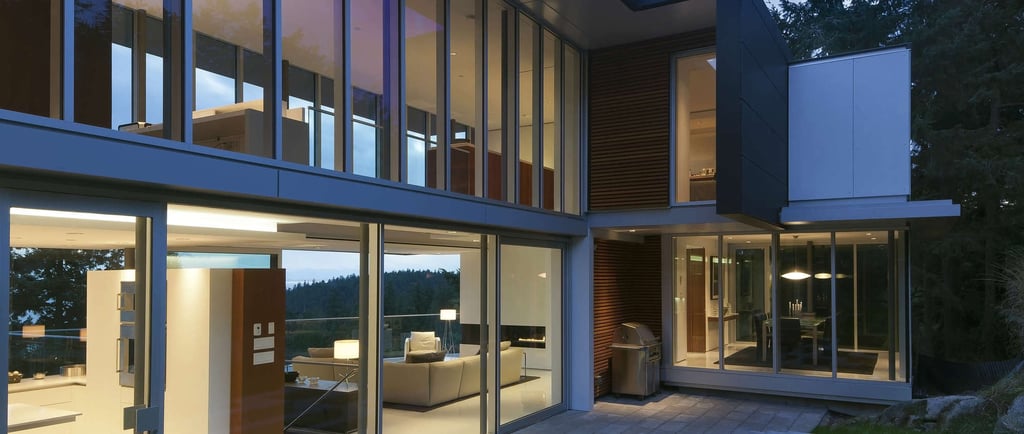
When people search for aluminum windows, they are rarely just looking for a product.
Most of the time, they are trying to answer a deeper question:
“How do I make the right choice and avoid costly mistakes?”
Search queries like how to choose aluminum windows, what to consider when buying aluminum windows, or best aluminum window system all reflect a decision-making mindset. Buyers want clarity, not sales language.
Based on our experience working with international aluminum window buyers across different markets, this article breaks down how buyers actually choose aluminum windows step by step, focusing on real decision logic rather than marketing claims.
Step 1: Understanding the Project Context Before Looking at Products
One of the most common mistakes buyers make is starting with window designs or prices.
In practice, experienced buyers always begin by defining the project context.
In aluminum window projects we support globally, the first questions are usually about:
Building type (residential, commercial, renovation, high-rise)
Climate and environment
Local building regulations
Without this context, even high-quality aluminum windows can underperform. Aluminum window systems are not universal solutions — they must be selected based on how and where they will be used.
Step 2: Climate Comes Before Specifications
Many buyers search for aluminum window specifications early in the process, but specifications only make sense when climate is considered first.
In hot and humid regions, buyers are more concerned about heat control, ventilation, and surface durability. In colder regions, insulation performance and condensation prevention become top priorities.
From our experience, buyers who skip climate analysis often come back later with questions like “why are my aluminum windows too hot?” or “why is there condensation?” These issues are rarely caused by aluminum itself, but by system choices that didn’t match the environment.
Step 3: Choosing the Right Aluminum Window System Type
Once climate and project type are clear, buyers move on to system selection.
This is where many non-technical buyers feel overwhelmed. Sliding systems, casement systems, tilt-and-turn systems — all look similar on the surface, but behave very differently in daily use.
Professional buyers evaluate aluminum window systems based on:
How often the window will be opened
Space limitations
Required sealing performance
In real projects, we often see buyers change their preferred system after understanding how it performs in actual living or working conditions.
Step 4: Understanding Which Specifications Really Matter
Searches like aluminum window profile thickness or double glazed aluminum windows show that buyers want concrete numbers.
Specifications that usually have the greatest impact include:
Profile structure and thickness
Glass configuration
Sealing design
However, more is not always better. Over-specifying increases cost without guaranteed benefits, while under-specifying leads to performance problems.
Experienced buyers focus on balanced specifications, not maximum values.
Step 5: Thermal Performance Is a System Decision
Many buyers search specifically for thermal break aluminum windows, especially in Europe and North America.
Thermal performance is not determined by a single feature. It depends on how the aluminum profile, insulation components, glass, and sealing work together as a system.
In our experience, buyers who only focus on thermal break profiles but ignore glass selection or installation quality often fail to achieve the expected energy performance.
This is why system-level thinking matters more than individual features.
Step 6: Hardware Quality Is Often Underestimated
Another common search trend is aluminum window hardware problems.
Hardware directly affects daily usability, safety, and long-term durability. Even a well-designed aluminum window system can become frustrating if hinges, locks, or rollers are poorly selected.
In many projects, hardware issues appear earlier than profile or glass problems. This is why experienced buyers pay close attention to load capacity, corrosion resistance, and compatibility with the window system.
Step 7: Surface Treatment and Long-Term Appearance
Buyers in coastal or humid regions often search for corrosion resistant aluminum windows.
Surface treatment quality determines how aluminum windows age over time. Discoloration, peeling, or surface damage usually point to insufficient finishing standards rather than material issues.
From international projects we’ve seen, surface treatment decisions often have a bigger impact on long-term satisfaction than initial design choices.
Step 8: Budget Decisions Should Be Made Last
Many buyers start with price, but professional buyers finalize budget decisions only after defining requirements.
Searches like aluminum windows price vs quality reflect this realization. Lower prices often mean compromises in specifications, hardware, or finishing — areas that directly affect performance and lifespan.
A realistic budget aligns with project expectations, not marketing promises.
Step 9: Verifying Suitability Before Finalizing the Order
Before placing an order, experienced buyers review whether the selected aluminum window system truly matches:
Local regulations
Climate demands
Installation conditions
Skipping this step often leads to rework, delays, or performance complaints.
In our experience, this final review stage prevents more issues than any other part of the process.
Common Buyer Mistakes We See Repeatedly
Across different markets, buyer mistakes tend to follow similar patterns:
Choosing based on appearance only
Ignoring climate and usage conditions
Overlooking hardware and sealing
Assuming all aluminum windows perform the same
These mistakes are not caused by lack of intelligence, but by lack of structured decision guidance.
Final Thoughts: How Smart Buyers Approach Aluminum Window Selection
Choosing aluminum windows is not about finding the “best” product.
It is about finding the most suitable system for a specific project.
Smart buyers follow a step-by-step decision process, evaluate systems holistically, and understand trade-offs before committing.
Aluminum windows perform exceptionally well when chosen correctly — and poorly when selected without context.
Get in Touch With Us
Partner with QTA Aluminium for wholesale and OEM door & window solutions. Contact us directly to discuss your project needs.
© 2025. All rights reserved.