
What to Check Before Ordering Aluminum Windows: A Buyer’s Pre-Order Checklist
Even if climate was discussed earlier, it should be verified again before ordering. Buyers in different regions face different risks: Hot climates: heat gain and surface temperature Cold climates: condensation and heat loss Coastal areas: corrosion and surface aging From our experience, many post-installation complaints trace back to climate factors that were underestimated during final confirmation. This is why experienced buyers double-check glazing, sealing, and surface treatment choices at this stage.
1/16/20263 min read
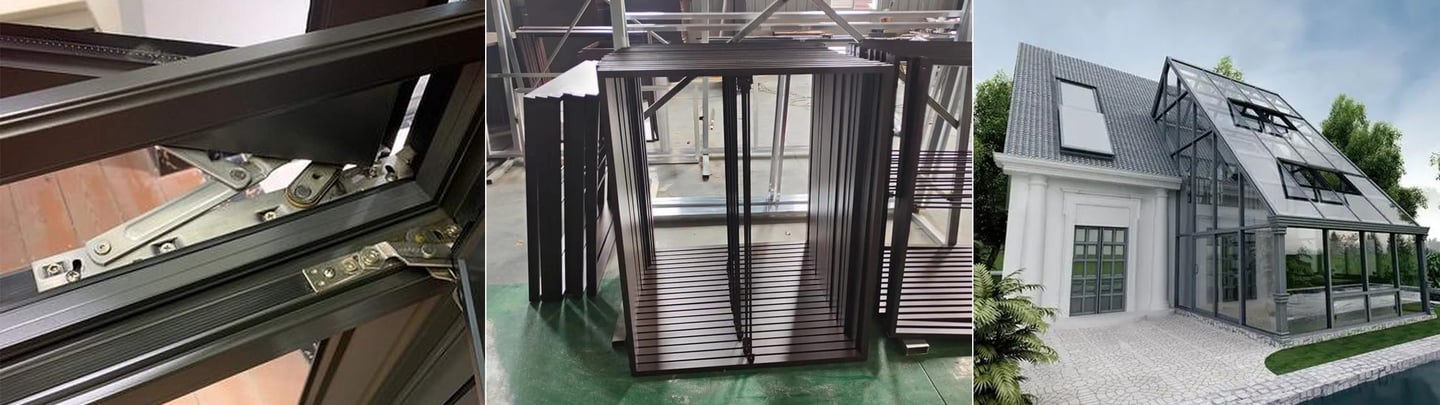
When buyers reach the final stage of choosing aluminum windows, their search behavior changes.
Instead of broad questions, they start searching for things like:
what to check before ordering aluminum windows
aluminum windows buying checklist
common problems after installing aluminum windows
These searches show one clear intent:
buyers want to avoid making a mistake right before committing.
Based on our experience working with aluminum window projects for international buyers, this article focuses on what should be verified before placing an order, not after problems appear.
Why the Pre-Order Stage Matters More Than Product Selection
Many aluminum window issues are not caused by poor materials or low-quality manufacturing.
They happen because critical details were never confirmed before the order was finalized.
In projects we’ve seen globally, once aluminum windows are produced, most specifications cannot be changed without significant cost or delay. That makes the pre-order stage the last and most important opportunity to prevent future problems.
1. Confirm the Window System Matches the Actual Usage
Buyers often choose window systems based on appearance or familiarity, then later search “why my aluminum window is hard to use”.
Before ordering, it’s essential to confirm:
How often the window will be opened
Whether space limitations affect opening methods
If the system is suitable for daily use patterns
In real projects, we frequently see buyers adjust system types once they fully understand how the window will function in everyday scenarios.
2. Recheck Climate Compatibility One More Time
Even if climate was discussed earlier, it should be verified again before ordering.
Buyers in different regions face different risks:
Hot climates: heat gain and surface temperature
Cold climates: condensation and heat loss
Coastal areas: corrosion and surface aging
From our experience, many post-installation complaints trace back to climate factors that were underestimated during final confirmation.
This is why experienced buyers double-check glazing, sealing, and surface treatment choices at this stage.
3. Verify Aluminum Profile Structure, Not Just Thickness
Searches like aluminum window profile thickness often lead buyers to focus on numbers alone.
Before ordering, buyers should confirm:
Profile structure design
Reinforcement areas
Compatibility with window size
Thickness alone does not guarantee strength or stability. Two profiles with the same thickness can perform very differently depending on structural design.
Professional buyers look at the profile as part of a system, not as an isolated component.
4. Glass Configuration Should Match Performance Expectations
Glass is one of the most misunderstood parts of aluminum window systems.
Buyers often order double glazing assuming it guarantees energy efficiency, then later search “why aluminum windows are still cold”.
Before placing an order, it’s important to confirm:
Glass thickness
Air gap configuration
Coating or insulation properties
In our experience, mismatched glass configurations are a common reason buyers feel aluminum windows underperform compared to expectations.
5. Hardware Specifications Must Be Explicit
Hardware is frequently assumed rather than clearly specified.
Buyers who later search “aluminum window hardware problems” often discover that hinges, locks, or rollers were selected without proper load or usage analysis.
Before ordering, buyers should clearly confirm:
Hardware brand or grade
Load capacity
Corrosion resistance
Hardware quality directly affects safety, durability, and daily comfort — especially for large or frequently operated windows.
6. Sealing and Drainage Design Are Often Overlooked
Many buyers only realize the importance of sealing after experiencing air or water leakage.
Search terms like aluminum windows leaking water usually appear after installation, not before.
At the pre-order stage, buyers should confirm:
Sealing structure
Gasket materials
Drainage design
In many projects, sealing design matters more than adding extra layers without understanding airflow and water paths.
7. Surface Treatment Quality and Standards
Buyers in humid or coastal environments often underestimate how quickly surface issues can appear.
Before ordering, surface treatment should be confirmed in detail, including:
Treatment type (anodizing or powder coating)
Thickness standards
Suitability for local environment
From international projects we’ve seen, surface treatment decisions significantly affect long-term appearance and maintenance costs.
8. Installation Conditions Should Be Discussed Early
Many aluminum window problems are blamed on the product, but originate from installation mismatches.
Buyers often search “aluminum windows installation problems” after issues arise.
Before ordering, it’s important to clarify:
Installation method
Wall structure compatibility
Tolerance requirements
Experienced buyers treat installation as part of the system, not a separate responsibility.
9. Compliance With Local Regulations and Standards
In many markets, aluminum windows must meet specific performance or safety standards.
Before placing an order, buyers should verify:
Energy efficiency requirements
Safety glass regulations
Wind load or structural codes
Skipping this step can lead to delays, additional costs, or compliance issues later.
10. Lead Time, Packaging, and Logistics Expectations
Buyers often focus on product details and forget logistics until problems appear.
Searches like aluminum windows delivery delay usually indicate a mismatch in expectations.
Before ordering, buyers should clearly confirm:
Production lead time
Packaging method
Transportation conditions
Clear alignment at this stage prevents disputes and schedule disruptions.
Common Pre-Order Mistakes Buyers Make
Across different regions, we see similar mistakes repeated:
Assuming details instead of confirming them
Focusing on price before requirements
Overlooking hardware and sealing
Treating installation as an afterthought
These mistakes are not caused by poor judgment, but by incomplete pre-order verification.
A Practical Rule Experienced Buyers Follow
In professional aluminum window sourcing, there is a simple rule:
If a detail affects performance, durability, or compliance, it should be confirmed before ordering — not after installation.
This mindset dramatically reduces long-term risk.
Get in Touch With Us
Partner with QTA Aluminium for wholesale and OEM door & window solutions. Contact us directly to discuss your project needs.
© 2025. All rights reserved.